Canada Vows Dollar-for-Dollar Tariff Retaliation Against US Duties
Ottawa pledges matching tariffs on US goods after Trump imposes 50% duties, with trade talks contingent on Washington's readiness.
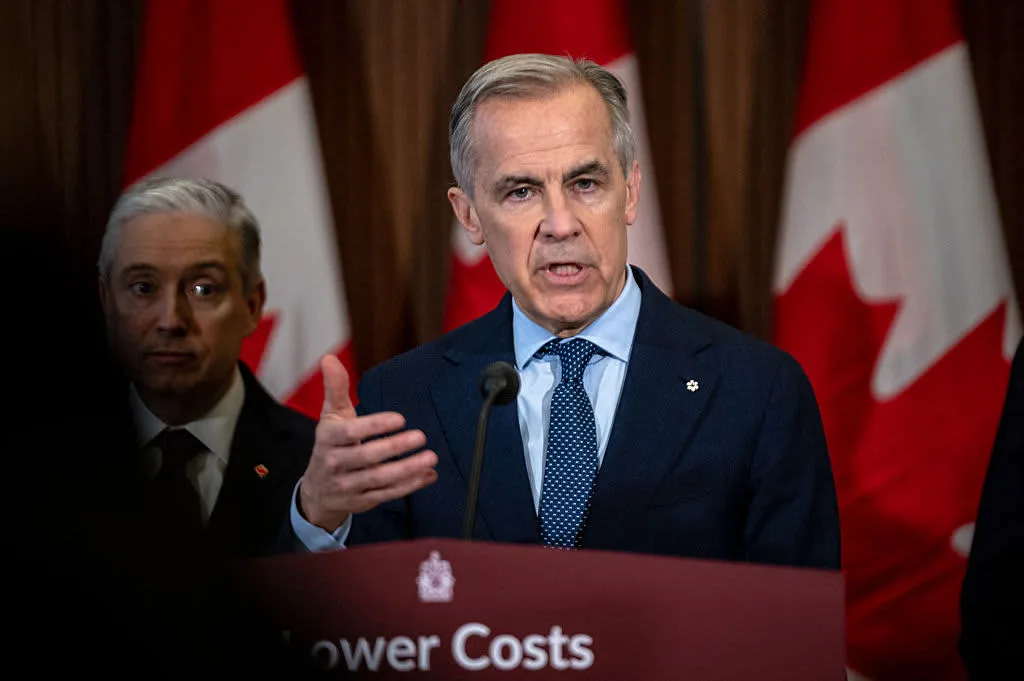
Canadian Prime Minister Mark Carney signaled this week that his government will not blink first in the escalating trade confrontation with Washington, declaring that Ottawa stands prepared to resume negotiations only "when the Americans are ready." The measured defiance underscores a deliberate strategic posture: Canada is neither slamming the door on diplomacy nor signaling weakness by rushing back to the table.
The immediate flashpoint is President Donald Trump's imposition of 50% tariffs on Canadian goods — a sweeping measure that rattled bilateral trade ties stretching back decades. Ottawa's response was unambiguous: a "dollar for dollar" package of retaliatory duties on U.S. imports, scheduled to take effect next week. The symmetry of the response is itself a message, communicating that Canada views the relationship as one between equals rather than a junior partner absorbing punishment from a larger neighbor.
Read more Anthropic Fights AI Data Theft as China Concerns Mount →
Carney's pointed rebuke of Commerce Secretary Howard Lutnick adds a personal dimension to what is fundamentally a structural dispute over trade rules, industrial policy, and national sovereignty. When senior cabinet officials on both sides are trading public barbs, it typically signals that back-channel negotiations have either stalled or lack sufficient political cover to advance quietly. That dynamic makes a near-term resolution harder, even if both economies have clear incentives to de-escalate.
The broader stakes are considerable. Canada and the United States share one of the world's largest bilateral trading relationships, and tit-for-tat tariffs risk disrupting integrated supply chains across sectors from automotive manufacturing to agriculture. Prolonged friction could accelerate Canadian efforts to diversify trade partnerships — a strategic pivot that would carry lasting consequences well beyond the current political moment.
For now, Carney's posture reflects a government calculating that patience and resolve will ultimately force a more favorable negotiating environment. Whether Washington blinks before the economic costs on both sides become politically untenable remains the central question hanging over North American trade policy. Continue reading at US Top News and Analysis.