Trump Administration Moves to Strip Private Colleges of Tax-Exempt Status
Treasury proposes rules targeting thousands of private schools, threatening donations tax break and reshaping higher-ed finance.
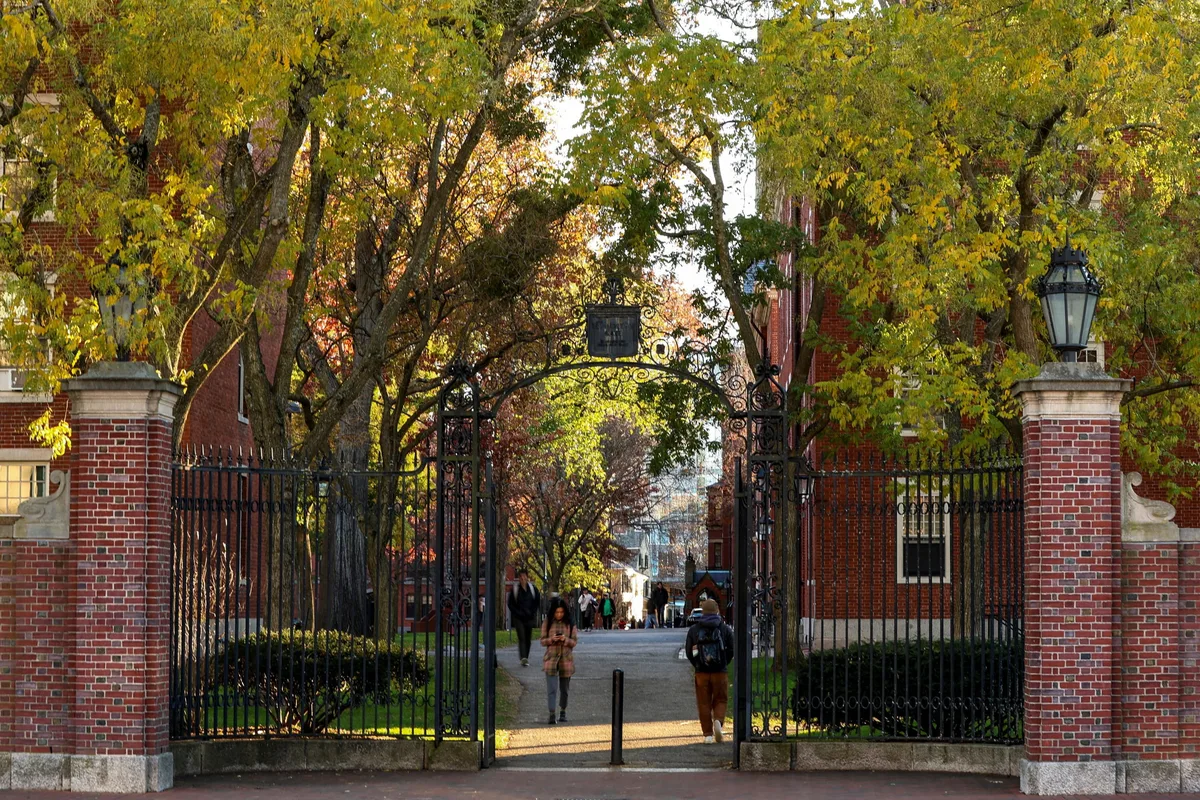
The Trump administration has taken direct aim at one of higher education's most durable financial privileges, with the Treasury Department advancing proposed regulations that could revoke the tax-exempt status of thousands of private colleges and universities. The move represents one of the most consequential federal challenges to nonprofit higher education in decades, striking at the funding architecture that allows elite and regional private institutions alike to attract philanthropic capital.
At the heart of the proposal is the threat to charitable-deduction eligibility for donations — the mechanism through which wealthy individuals and foundations funnel billions annually into private school endowments and operating budgets. If donors can no longer write off contributions to affected institutions, the chilling effect on giving could be swift and severe, particularly for smaller private colleges already navigating enrollment pressures and rising operating costs.
Read more Canada Vows Dollar-for-Dollar Tariff Retaliation Against US Duties →
The policy fits a broader pattern of the administration using tax and regulatory levers to exert pressure on institutions it views as ideologically or politically at odds with its agenda. While the source details remain limited, the regulatory framing through Treasury suggests this is more than political signaling — it is a structural intervention that, if finalized, would force institutions to weigh compliance against core operational and mission priorities.
For donors and development offices, the uncertainty alone carries real cost. Major gifts — endowment commitments, building funds, scholarship pledges — often hinge on multi-year tax planning. Regulatory ambiguity at this scale can freeze philanthropic pipelines before a single rule takes effect. The downstream consequences for financial aid, faculty recruitment, and institutional stability could be significant, particularly at institutions without the deep reserves of a Harvard or Yale to absorb the shock.
Continue reading at US Top News and Analysis.