China's Pacific Missile Test Likely to Tighten Asia-Pacific Defense Ties
China's rare ballistic missile launch into the Pacific is expected to accelerate defense cooperation among regional powers, analysts warn.
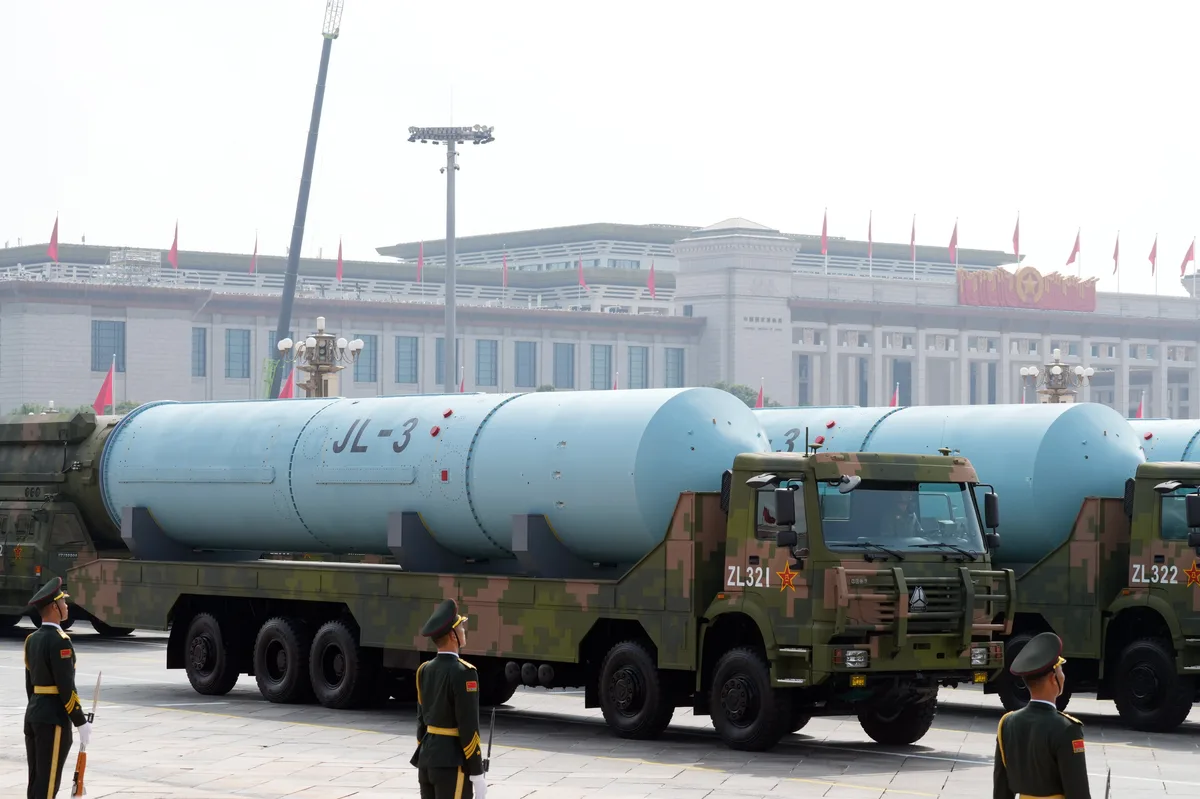
China's decision to fire a ballistic missile into the Pacific Ocean — a rare and deliberately visible demonstration of military capability — is reverberating across the Asia-Pacific region in ways Beijing may not have fully anticipated. Analysts say the launch is less likely to intimidate regional neighbors into neutrality and more likely to push them closer together in coordinated defense arrangements.
The test carries significant strategic weight precisely because of its rarity. Unlike routine military drills or naval posturing, a live ballistic missile launch into open ocean waters sends an unambiguous signal about operational readiness and reach. For capitals from Tokyo to Canberra that have spent years calibrating their China policies between economic dependence and security caution, this kind of demonstration sharpens the calculus considerably.
Read more Congress Moves to Close Crypto's Wash Sale Tax Loophole →
Regional analysts note that events like this historically function as catalysts rather than deterrents when it comes to alliance formation. Countries that had been hedging — maintaining diplomatic and trade relationships with Beijing while quietly expanding defense cooperation with Washington and its partners — may feel pressure to accelerate those security commitments. The missile test, in that sense, does some of the organizational work that American diplomats have been laboring to accomplish for years.
The broader geopolitical context matters here. The Asia-Pacific security architecture has been evolving rapidly, with frameworks like AUKUS and the Quad gaining institutional momentum. A high-profile Chinese military provocation of this nature is likely to inject new urgency into those conversations, making it harder for fence-sitting nations to justify postponing harder security choices. Whether that consolidation ultimately serves stability in the region remains an open and consequential question.
Continue reading at US Top News and Analysis.