European NATO Allies Distance Themselves From Trump on Iran
Tensions from a contentious NATO summit are spilling into Iran policy, as European allies widen their strategic gap with Washington.
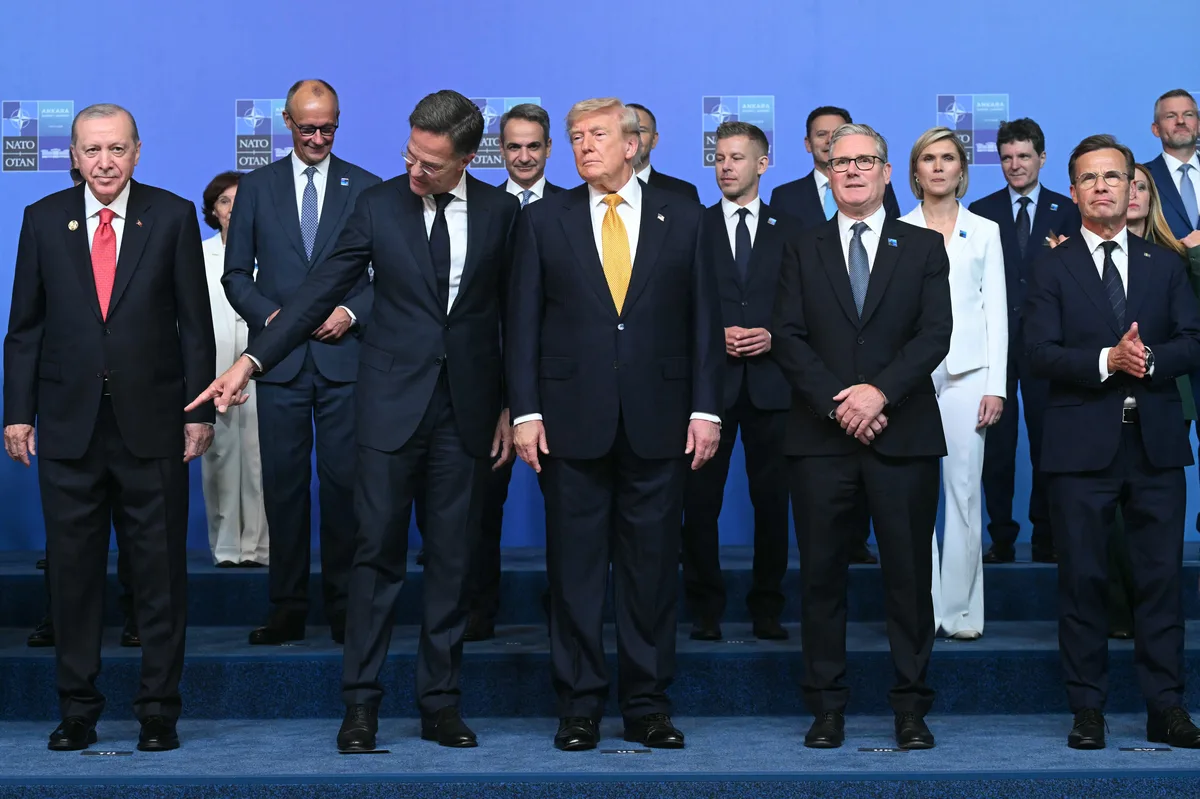
The diplomatic friction generated at a recent NATO summit appears to be reverberating well beyond the alliance's internal debates over defense spending and burden-sharing. European member states are now signaling a more independent posture on Iran, parting ways with the Trump administration on a question that carries significant geopolitical weight — how to handle Tehran's nuclear ambitions and regional influence.
President Donald Trump attended the summit in Ankara, Turkey, where NATO leaders gathered for two days of talks. While the formal agenda centered on collective security commitments, the undercurrents of tension between Washington and its European counterparts were palpable enough to shape the policy conversations that followed, particularly around Iran.
Read more Congress Moves to Close Crypto's Wash Sale Tax Loophole →
For European governments, the divergence on Iran is not simply a tactical disagreement — it reflects a broader recalibration of how they assess American reliability as a strategic partner. After years of transatlantic friction over the 2015 nuclear deal, known as the JCPOA, European capitals have grown increasingly accustomed to charting their own course on Middle East diplomacy, and the latest summit appears to have accelerated that tendency.
The significance of this moment lies in what it reveals about alliance cohesion at a time of compounding global crises. When major powers begin openly hedging against their own allies on sensitive security dossiers, it complicates not only bilateral relationships but also multilateral frameworks designed to present a unified front in negotiations with adversarial states like Iran.
Whether this distancing hardens into a lasting strategic split or remains a tactical maneuver ahead of potential new nuclear negotiations remains to be seen. But the optics coming out of Ankara suggest the transatlantic relationship is under pressures that go far deeper than any single policy disagreement. Continue reading at US Top News and Analysis.