Federal Judge Blocks DOJ Subpoena for Georgia Election Worker Names
A judge halted a Justice Department subpoena seeking identities of Fulton County election workers, a flashpoint in Trump's 2020 fraud claims.
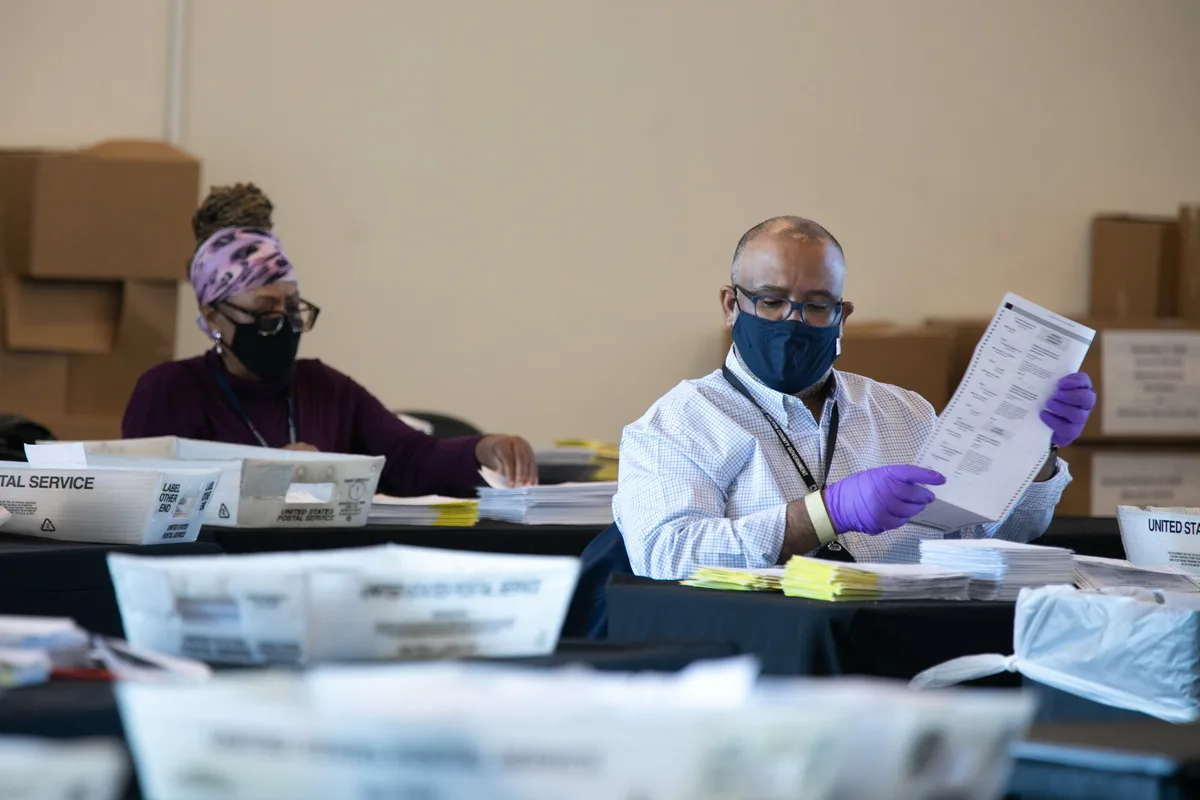
A federal judge has blocked a Department of Justice subpoena that sought to obtain the names of election workers who handled ballots in Fulton County, Georgia, during the 2020 presidential election. The ruling represents a significant legal check on the administration's efforts to revisit the contested vote count in one of the most scrutinized counties of that election cycle.
Fulton County, which encompasses most of Atlanta, became a central target of former and current President Donald Trump's long-running effort to cast doubt on his 2020 defeat. Trump and his allies have repeatedly singled out the county's ballot-counting process as evidence — without successful legal substantiation — that the election results were fraudulent. The county's election workers found themselves at the center of that political firestorm, with some reportedly facing harassment and threats in the years since.
Read more Congress Moves to Close Crypto's Wash Sale Tax Loophole →
The judge's decision to quash the subpoena raises fundamental questions about the extent to which federal law enforcement authority can be directed toward individuals who performed routine civic duties in a prior election. Critics of the subpoena argued that compelling the disclosure of election workers' identities could expose those individuals to renewed targeting, effectively chilling future participation in the democratic process by ordinary citizens.
The ruling adds to a growing body of legal pushback against investigative moves tied to relitigating the 2020 election results. Courts have historically been reluctant to allow broad investigative tools to sweep up the personal information of low-level government employees absent a clearly articulated, legitimate law enforcement purpose. Whether the DOJ will appeal or pursue alternative avenues to obtain the information remains an open question that legal observers will watch closely.
Continue reading at US Top News and Analysis.