Florida's 'Stop WOKE' Act Blocked Again, Supreme Court Fight Looms
A Trump-appointed appeals judge upheld a block on DeSantis' college speech law, setting the stage for a potential Supreme Court showdown.
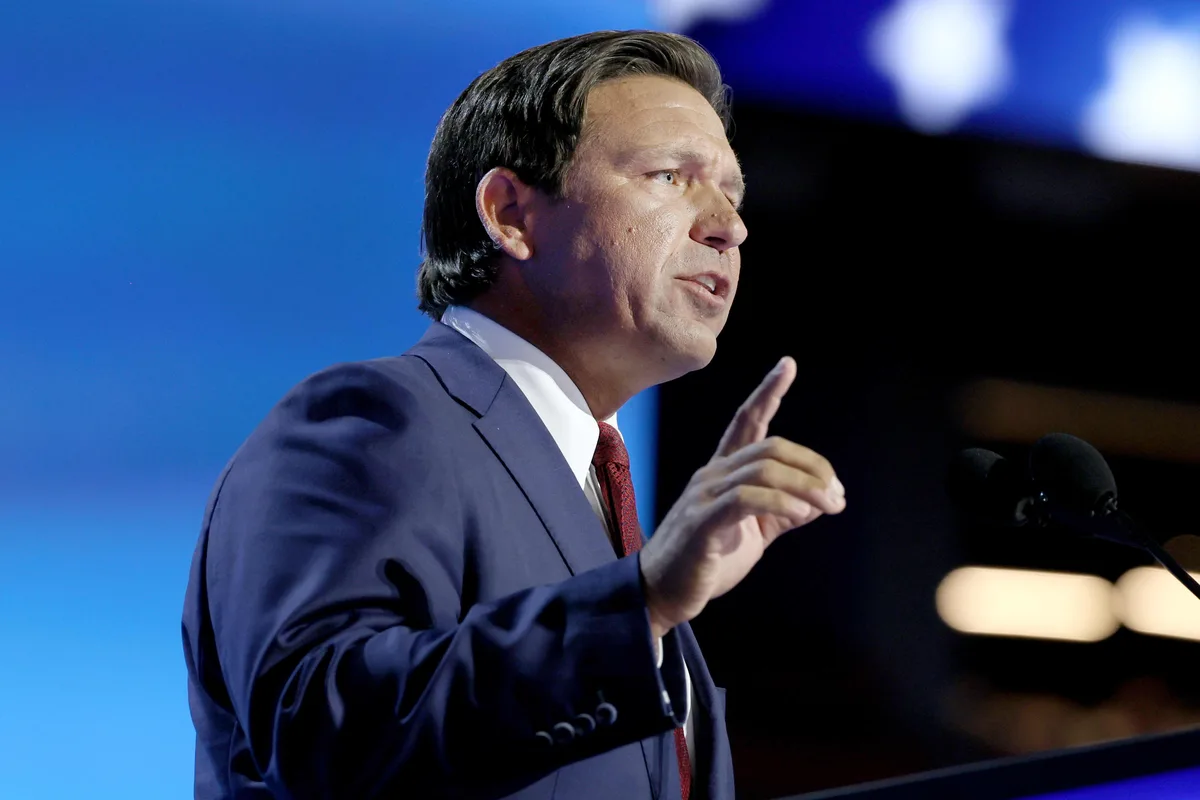
Florida Governor Ron DeSantis suffered another legal setback in his campaign to reshape classroom discourse, as a federal appeals court judge — appointed by former President Donald Trump — ruled against the state's controversial "Stop WOKE Act." The decision keeps in place an ongoing block on the portions of the law that restrict how certain topics related to race and identity can be discussed at public colleges and universities.
The ruling is notable not just for its outcome but for its origin. When a judge from the same political coalition that championed the legislation sides against it on constitutional grounds, it signals the law faces a structural legal problem that transcends partisan sympathy. Courts across the ideological spectrum have repeatedly flagged the act's college provisions as an overreach under the First Amendment.
Read more Congress Moves to Close Crypto's Wash Sale Tax Loophole →
For DeSantis, the ruling continues a pattern of judicial friction with one of his flagship culture-war initiatives. The Stop WOKE Act was designed to limit mandatory diversity, equity, and inclusion training in workplaces and constrain how public universities engage with concepts such as systemic racism and white privilege. While the workplace provisions have had a more complicated legal journey, the higher education components have faced persistent blockades since the law's enactment.
The practical consequence is that Florida public university faculty retain, for now, the legal protection to teach contested social and historical concepts without state-mandated restrictions. The broader significance, however, lies in what comes next: with appeals options narrowing, the path forward likely runs through the U.S. Supreme Court. A high court decision, should the state choose to pursue it, could establish national precedent on the government's authority to regulate speech and curriculum inside public universities — a question with implications far beyond Florida's borders.
Continue reading at US Top News and Analysis