Heat Emergency Strikes U.S. as Energy Chief Downplays Warming
A dangerous heat event is forcing Americans indoors while Trump's energy secretary dismisses global warming as minor concern.
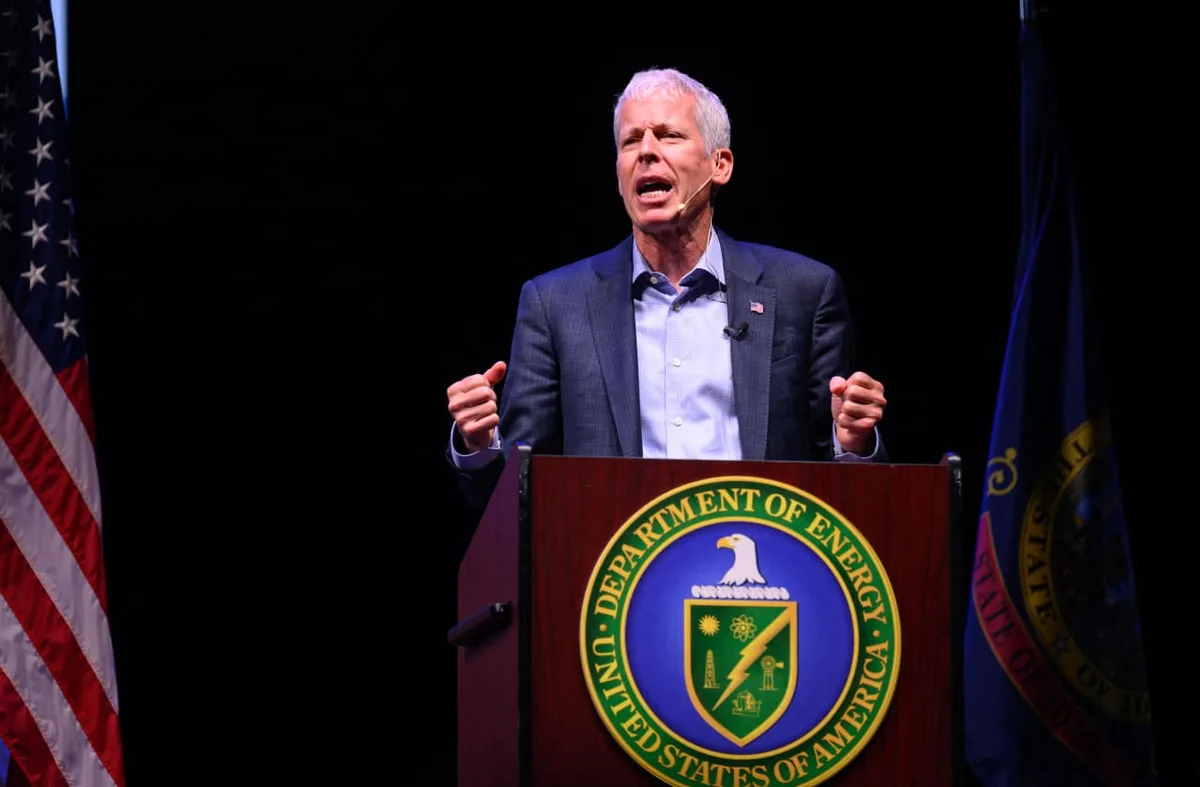
A heat emergency is spreading across parts of the United States this weekend, with government scientists urging residents to stay indoors as temperatures in many regions threaten to reach triple digits. The timing is striking: the warning comes just as Trump's energy secretary publicly characterized global warming as "no big deal," a framing that places the administration sharply at odds with the federal scientists working under it.
The disconnect between political messaging and ground-level conditions illustrates a tension that has defined U.S. climate policy in recent years. Senior officials minimizing the long-term threat of rising temperatures while their own agencies issue emergency heat advisories creates a credibility gap that observers and public health advocates find difficult to ignore. Extreme heat is already the leading weather-related cause of death in the United States, making the stakes of that rhetorical gap concrete and measurable.
Read more Congress Moves to Close Crypto's Wash Sale Tax Loophole →
Heat emergencies of this scale place particular stress on vulnerable populations — the elderly, outdoor workers, and low-income communities with limited access to air conditioning. When official messaging from the top levels of government downplays climate risk, it can complicate local emergency management efforts that depend on public trust and clear communication to drive protective behavior.
The broader analytical context is worth noting: individual heat events cannot be directly attributed to climate change in isolation, but scientists are unambiguous that rising global temperatures increase both the frequency and intensity of extreme heat episodes. An energy secretary's rhetorical position does not alter atmospheric physics, but it does shape policy priorities, budget allocations, and the regulatory environment governing the energy sector's emissions. The gap between what the science shows and what top officials say is not merely symbolic — it has downstream consequences for infrastructure investment, public health preparedness, and long-term resilience planning.
Continue reading at MarketWatch.com