House Passes Stock Trading Bill for Lawmakers, Critics Unmoved
The House approved legislation targeting congressional insider trading, but Sen. Elizabeth Warren says it falls short by allowing stock ownership.
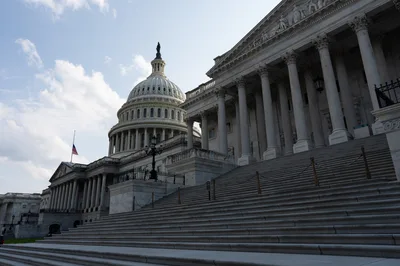
The House of Representatives has passed a bill aimed at curbing the use of privileged government information for personal stock trades by members of Congress — a practice that has drawn sustained public scrutiny for years. While the legislation marks a measurable step toward accountability, its critics argue it does little to address the structural conflict of interest at the heart of the problem.
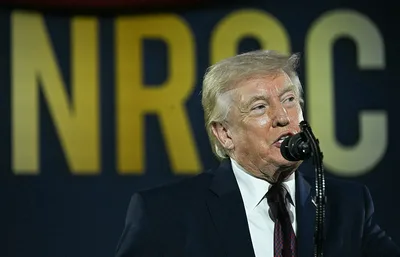
Senator Elizabeth Warren has been among the most vocal opponents of the measure, contending that the bill "won't solve the problem" because it still permits lawmakers to own and sell individual stocks. Her objection cuts to a fundamental tension: a legislator who holds equity in a sector they regulate retains a financial incentive that no disclosure rule alone can fully neutralize.
Read more Congress Moves to Close Crypto's Wash Sale Tax Loophole →
The distinction Warren draws is significant. Insider trading reforms that focus on the mechanics of *how* trades are reported — rather than *whether* those trades should be allowed at all — have historically proven easier to pass but harder to enforce meaningfully. If lawmakers can still hold positions in companies affected by legislation they write or vote on, the informational advantage embedded in their role does not disappear; it simply becomes harder to prove in court.
The debate reflects a broader public frustration that has intensified since the COVID-19 pandemic, when several members of Congress made well-timed trades around early classified briefings on the virus's economic impact. Those episodes renewed calls for a full prohibition on individual stock ownership by elected officials, a standard that countries with stricter ethics regimes have long applied to senior public servants.
Whether the Senate will advance a stronger version of the bill — one that might include the outright ban Warren and others have championed — remains an open question. For now, the House measure signals political will without delivering the structural remedy that reformers say is necessary. Continue reading at Cointelegraph.