How Trump's AI Crackdown Could Benefit China's Tech Ambitions
Restrictions on Anthropic's leading AI models may inadvertently hand Beijing a strategic opening in the global AI race.
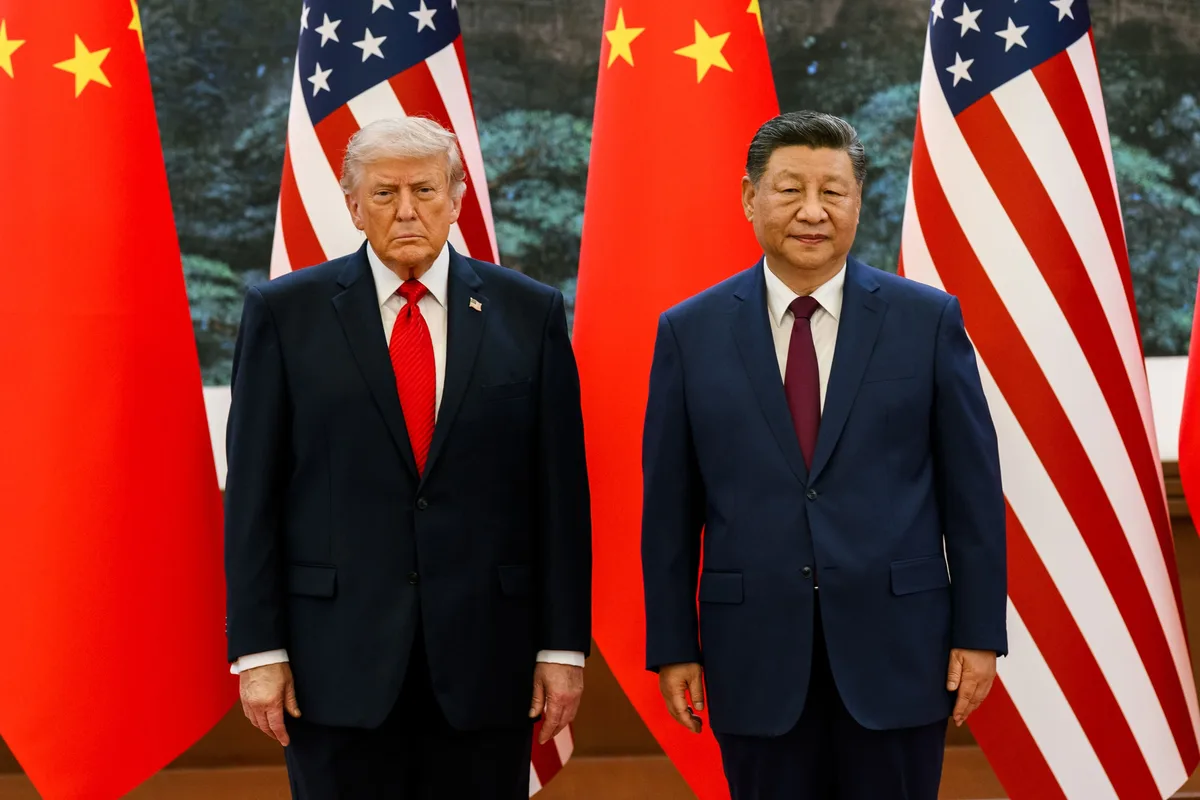
The Trump administration's regulatory pressure on Anthropic, one of the United States' most prominent artificial intelligence companies, is drawing sharp scrutiny from analysts who warn that curbing domestic AI development could have unintended geopolitical consequences — most notably, handing China a meaningful opportunity to close the gap in a technology race that carries enormous strategic weight.
At stake is American leadership in a sector that both Washington and Beijing have identified as central to future economic and military dominance. When regulators constrain the output or deployment of frontier AI models developed by companies like Anthropic, they risk slowing the innovation cadence that has kept US developers ahead of their Chinese counterparts. The concern is less about a single policy decision and more about the cumulative signal it sends to the broader industry.
Read more Congress Moves to Close Crypto's Wash Sale Tax Loophole →
China's AI ecosystem has been working aggressively to match Western capabilities, investing heavily in foundational research and state-backed development programs. Any regulatory headwinds that slow American firms — whether through restrictions on model deployment, export controls turned inward, or compliance burdens — create breathing room for Chinese developers operating under a very different set of incentives and constraints.
The dynamic illustrates a recurring tension in US technology policy: the impulse to regulate powerful emerging technologies for safety or competitive reasons can, if poorly calibrated, undercut the very industries those policies are meant to protect. Policymakers face the difficult task of managing AI risks without inadvertently dimming the innovative edge that American companies currently hold over state-directed rivals.
Continue reading at US Top News and Analysis.