Iran Warns Trump as Netanyahu White House Visit Looms Large
Tehran issues a stark warning to Washington as Netanyahu's meeting with Trump may shape the trajectory of Middle East conflict.
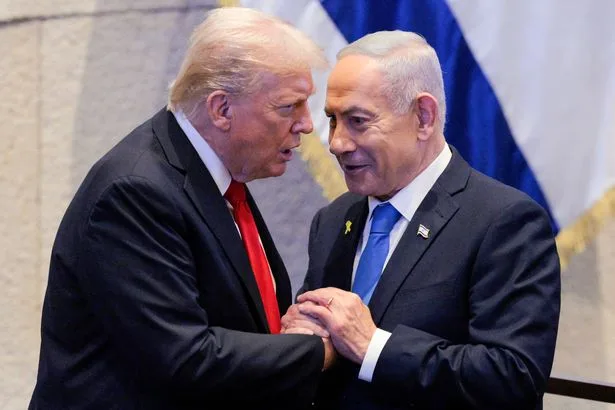
A high-stakes diplomatic moment is taking shape in Washington, where Israeli Prime Minister Benjamin Netanyahu's expected White House visit is being watched closely across the Middle East as a potential inflection point in the region's ongoing conflicts. The timing carries unmistakable weight: Iran has issued what observers are describing as a chilling warning directed at the Trump administration, signaling that Tehran is paying close attention to whatever signals emerge from the meeting.
The convergence of these two developments — a Netanyahu-Trump summit and an explicit Iranian warning — underscores how tightly interconnected the diplomatic and military dynamics of the region have become. Any signal of American backing for Israeli military action, or conversely any hint of restraint, carries immediate consequences for how regional actors calibrate their own postures. Iran, which has long positioned itself as a counterweight to both Israeli and American influence in the Middle East, appears intent on making clear that it views the White House meeting as consequential to its own security calculus.
Read more Congress Moves to Close Crypto's Wash Sale Tax Loophole →
For the Trump administration, the visit presents both opportunity and risk. A close alignment with Netanyahu could energize hawkish domestic constituencies and reinforce the kind of maximum-pressure posture toward Iran that defined Trump's first term. At the same time, it risks accelerating a cycle of escalation at a moment when multiple regional flashpoints remain unresolved. The Iranian warning, whatever its specific content, reflects a broader pattern of Tehran attempting to shape American decision-making through preemptive signaling rather than direct confrontation.
What makes this moment particularly significant is the layered uncertainty surrounding it. The outcomes of such high-level meetings rarely follow a single clean narrative — back-channel negotiations, public statements, and private assurances often pull in different directions simultaneously. Regional observers and analysts will be parsing every detail of the Netanyahu-Trump encounter for clues about American intentions toward both Israel's military campaign and the broader question of Iranian nuclear diplomacy.
The stakes could hardly be higher, and the margin for miscalculation on any side remains dangerously thin. Continue reading at themirror (reanna smith).