Japan Reclassifies Crypto as Financial Asset, Eyes Tax Relief
Japan's government is reclassifying cryptocurrency as a formal financial asset, a move expected to open the door to significant tax reductions for investors.
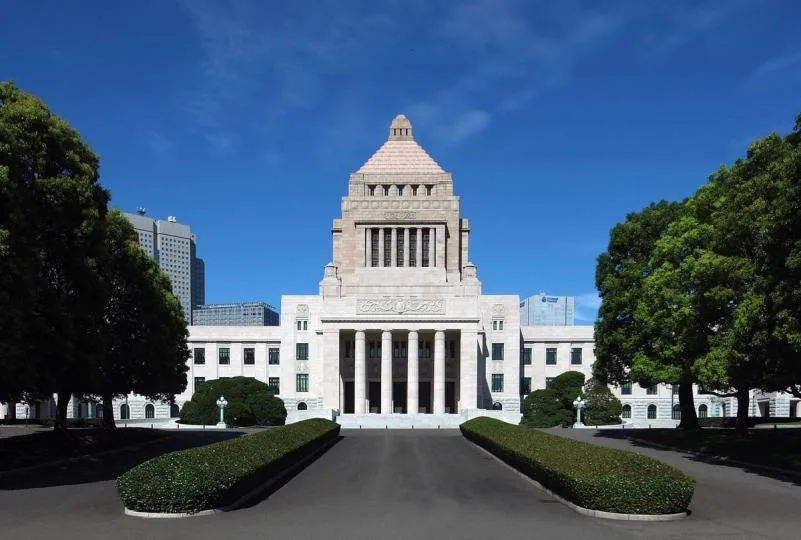
Japan is taking a meaningful step toward integrating digital assets into its mainstream financial framework by reclassifying cryptocurrency as a formal financial asset. The policy shift represents one of the most substantive regulatory acknowledgments of crypto's legitimacy by a major economy in recent years, and signals that Tokyo is prepared to treat digital holdings with the same institutional seriousness afforded to stocks or bonds.
The reclassification is widely expected to pave the way for tax cuts on crypto gains, a change that Japanese investors and the domestic crypto industry have lobbied for aggressively. Under the current framework, profits from cryptocurrency trading in Japan can be taxed as miscellaneous income at rates as high as 55 percent — among the steepest in the developed world — creating a persistent competitive disadvantage relative to other asset classes and neighboring financial hubs.
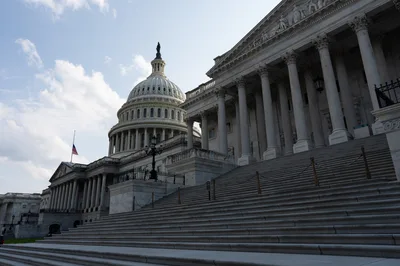
Read more Congress Moves to Close Crypto's Wash Sale Tax Loophole →
From a policy perspective, the move reflects a broader tension that regulators globally are navigating: how to encourage innovation in digital finance without sacrificing consumer protections or fiscal revenue. Japan's decision to lean toward accommodation suggests that policymakers there have concluded that talent and capital flight to more crypto-friendly jurisdictions poses a greater economic risk than the revenue lost through lower tax rates.
The practical implications extend well beyond individual investors. A more favorable tax environment could attract institutional participants who have remained on the sidelines in Japan precisely because of the punishing rate structure. It could also bolster Tokyo's ambitions to position itself as a leading Web3 and digital finance hub in Asia, competing directly with Singapore and Hong Kong, which have moved aggressively to court crypto businesses.
Whether the reclassification translates quickly into concrete legislative changes remains an open question, but the directional signal from one of the world's third-largest economies carries weight far beyond Japan's borders. Continue reading at CoinDesk.