NATO's Defense Spending Surge Faces Its Defining Test
European allies are pledging more defense dollars, but Washington wants to see real military capability — not just bigger budgets.
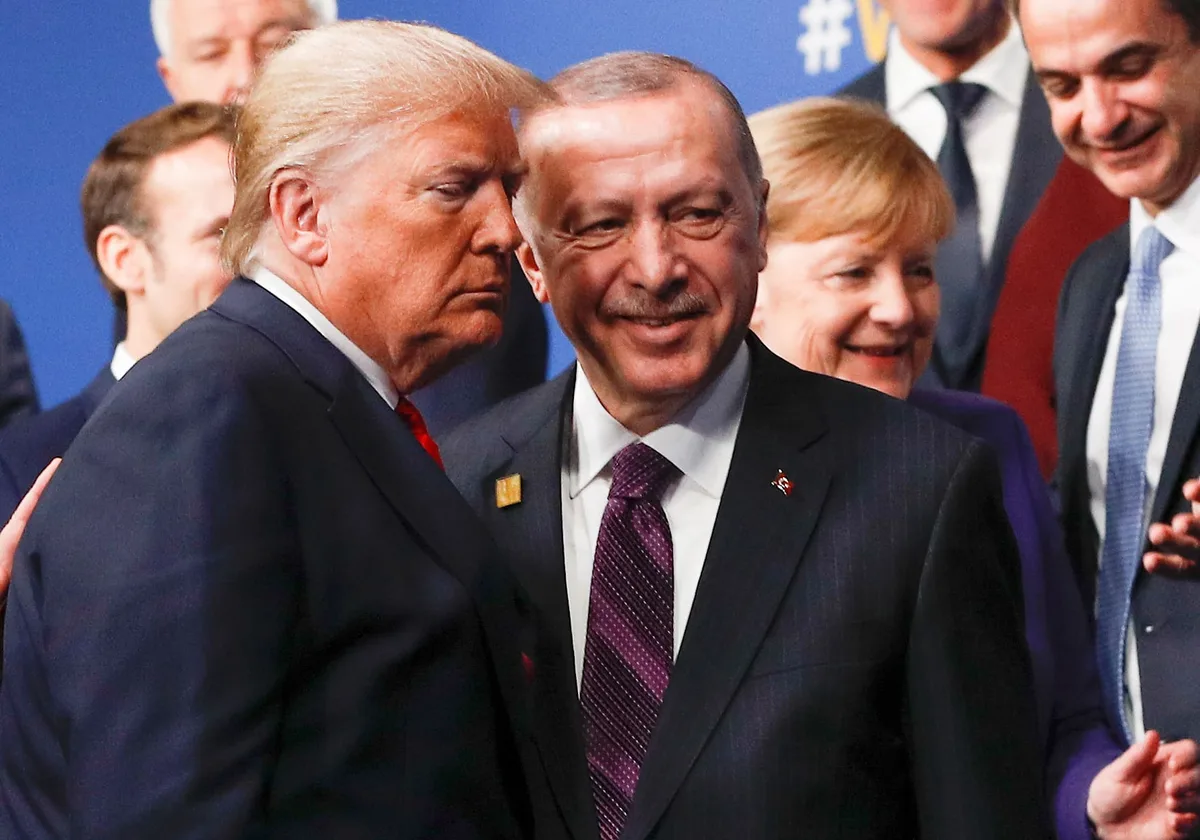
The NATO alliance is entering a pivotal chapter, one that analysts are already calling 'NATO 3.0' — a phase defined less by the rhetoric of solidarity and more by the hard arithmetic of military readiness. As alliance leaders gather, the central question has shifted from whether Europe will spend more on defense to whether that spending will translate into actual combat power capable of relieving pressure on an increasingly impatient Washington.
For years, the United States has subsidized European security at a scale that successive administrations found unsustainable. The Trump era has accelerated that reckoning, transforming what was once a diplomatic suggestion — spend more, share the burden — into something closer to a political ultimatum. European capitals have responded with pledges, but pledges, as any defense analyst will note, are not battalions, aircraft carriers, or functional supply chains.
Read more Congress Moves to Close Crypto's Wash Sale Tax Loophole →
The distinction matters enormously. Defense budgets can rise on paper while procurement cycles stretch over decades, readiness gaps persist, and interoperability with American forces remains incomplete. What Washington is now demanding is not merely financial commitment but demonstrable military capacity — the kind that could operate independently or alongside U.S. forces without depending on American logistics, intelligence, and command infrastructure as a crutch.
This creates a structural tension at the heart of the alliance. European nations face domestic political constraints, industrial bottlenecks, and defense sectors that were deliberately scaled back after the Cold War. Rebuilding that capacity quickly enough to satisfy a White House that has openly questioned NATO's value proposition is a generational challenge compressed into a short political window. The credibility of 'NATO 3.0' will ultimately be judged not by the pledges made in summit communiqués but by the capabilities delivered in the years that follow.
Continue reading at US Top News and Analysis