Supreme Court Lets Texas App Store Age Law Stand for Now
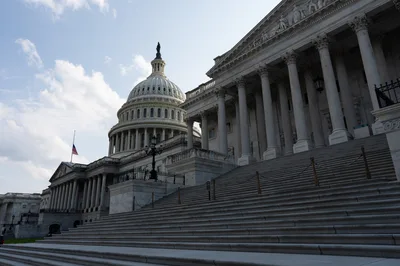
The U.S. Supreme Court declined to block a Texas law requiring age verification and parental consent for app downloads, leaving it in effect while legal challenges proceed.

The U.S. Supreme Court has refused to halt a Texas law that mandates age verification and parental consent before minors can download applications from app stores, allowing the measure to remain in force as litigation continues through lower courts. The decision marks a significant moment in the ongoing national debate over how far states can go in regulating children's access to digital platforms.
The law drew legal challenges from students and the technology industry, both of which argued the requirements infringe on free speech protections guaranteed by the First Amendment. Critics contend that forcing users to verify their age and obtain parental approval before accessing apps amounts to a government-imposed barrier on constitutionally protected expression — an argument that has gained traction in similar battles over social media regulation elsewhere in the country.
Read more Congress Moves to Close Crypto's Wash Sale Tax Loophole →
Texas's measure fits within a broader national trend of state legislatures moving aggressively to regulate how children interact with smartphones, apps, and social media platforms. Several states have enacted or proposed analogous restrictions in recent years, reflecting mounting public and political pressure on tech companies to do more to protect younger users from harmful online content. The Supreme Court's reluctance to block the Texas law — at least for now — could embolden other states pursuing similar legislation.
The court's action is procedural rather than a ruling on the merits, meaning justices have not yet weighed in on whether the law is ultimately constitutional. That question will likely work its way back through federal courts before the Supreme Court has the final word. In the interim, however, app store operators and developers must contend with compliance obligations that could reshape how digital content reaches younger audiences in the state.
The intersection of child safety, free speech, and platform accountability is poised to remain one of the most contested legal frontiers of the digital era. Continue reading at Benzinga.