Supreme Court Upholds Birthright Citizenship, Rejects Trump Order
The Supreme Court has affirmed birthright citizenship rights, delivering a significant legal defeat to President Trump's executive order.
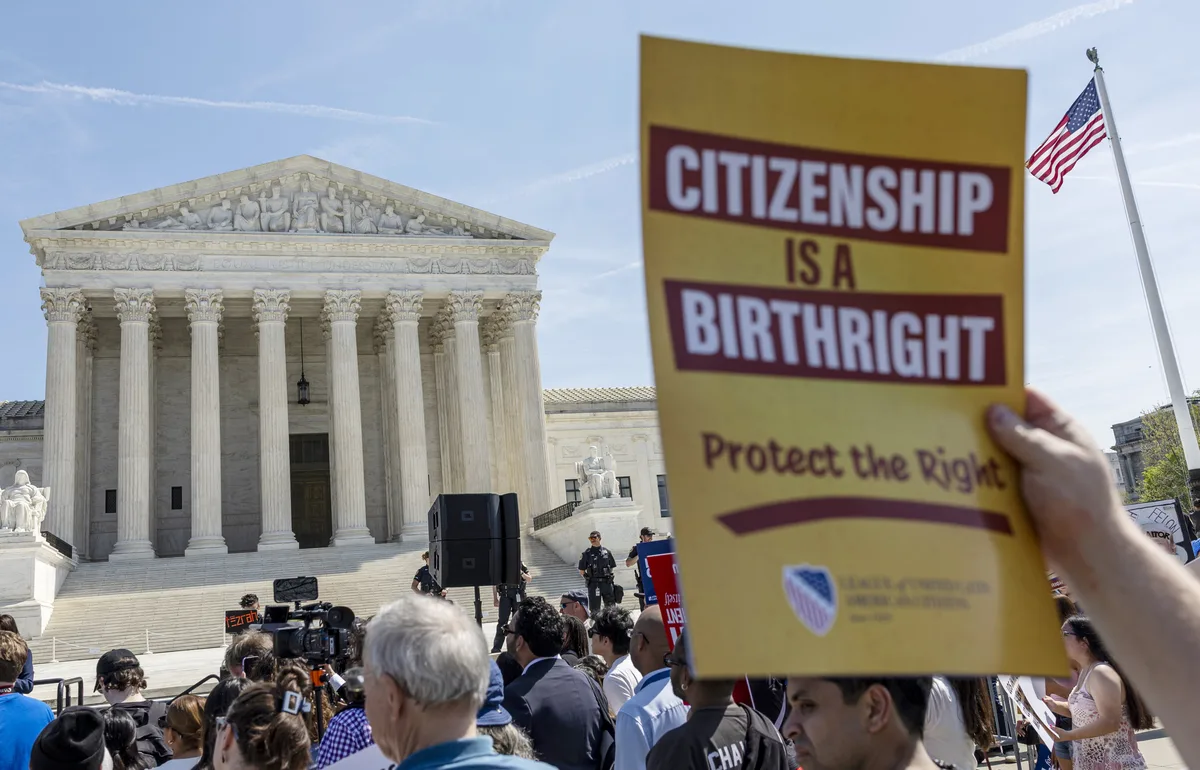
The Supreme Court has ruled to uphold birthright citizenship, blocking President Donald Trump's executive order that sought to end the automatic granting of citizenship to children born on U.S. soil to certain immigrant parents. The decision represents one of the most consequential constitutional rulings of the current term, reinforcing a right enshrined in the Fourteenth Amendment for over 150 years.
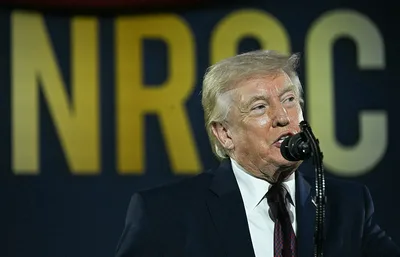
The stakes of the case were underscored by an unusual gesture: Trump himself attended oral arguments, a rare move for a sitting president and a clear signal of how central this issue is to his broader immigration agenda. His presence in the courtroom reflected not just personal investment but a calculated effort to put political pressure on the proceedings.
Read more Congress Moves to Close Crypto's Wash Sale Tax Loophole →
Birthright citizenship — the principle that anyone born on American soil is automatically a citizen regardless of their parents' immigration status — has long been considered a bedrock constitutional guarantee. Trump's executive order challenged that interpretation, arguing that the Fourteenth Amendment's citizenship clause does not extend to children of undocumented immigrants or those on temporary visas. The Court's ruling rejects that reading, at least for now.
The decision carries broad implications for millions of families and for the limits of executive power in immigration matters. By striking down the order, the Court draws a firm line between what a president can achieve through executive action and what requires a constitutional amendment — a far more difficult political undertaking. Legal analysts are likely to parse the ruling's language carefully for any nuance that future administrations might test.
For the Trump administration, the ruling is a setback but unlikely to end the political debate. Immigration restrictionists have long targeted birthright citizenship as a policy priority, and the issue may now shift toward a legislative or longer-term constitutional strategy. Continue reading at US Top News and Analysis.