Taylor Farms Recalls Iceberg Lettuce Across 27 States Over Parasite Risk
Taylor Farms has issued a multistate iceberg lettuce recall tied to potential cyclosporiasis contamination, affecting consumers in 27 states.
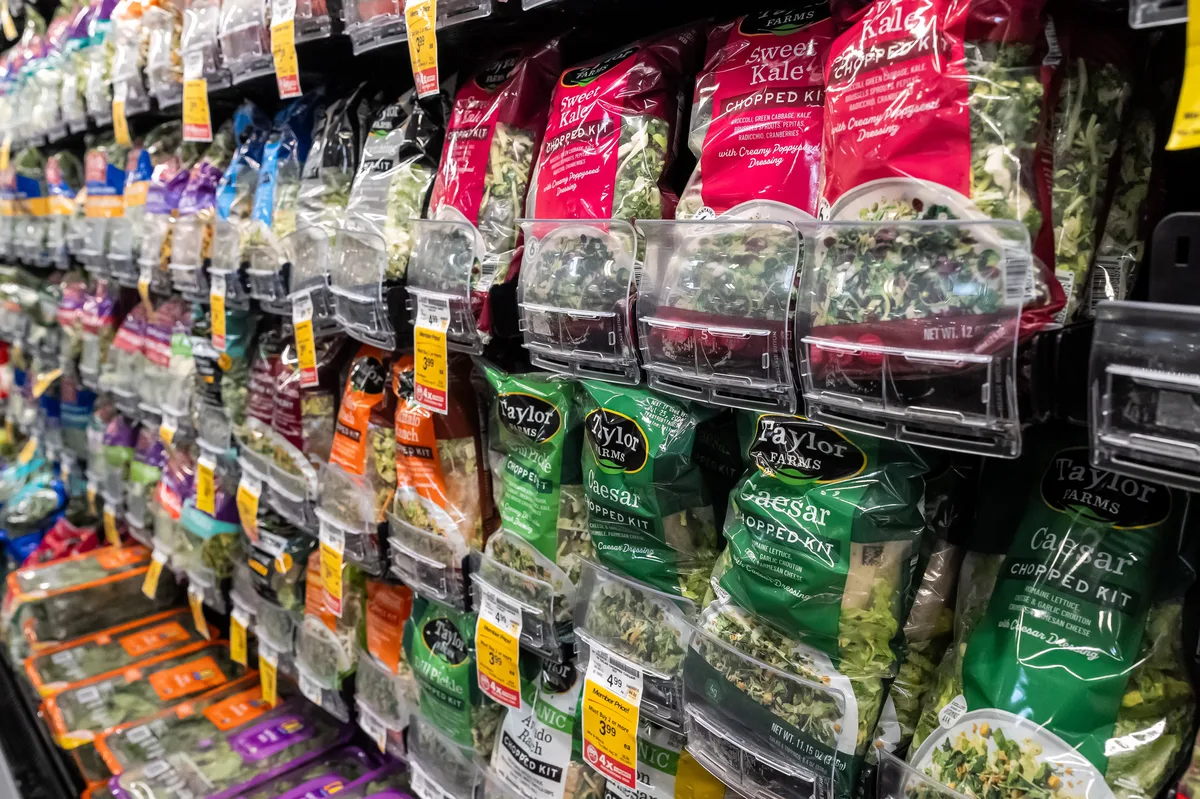
Taylor Farms has initiated a recall of iceberg lettuce distributed across 27 states following concerns that the product may be contaminated with Cyclospora cayetanensis, the microscopic parasite responsible for cyclosporiasis. The recall signals a significant public health response, as foodborne outbreaks tied to fresh produce can spread quickly before the source is identified and removed from shelves.
Cyclosporiasis is an intestinal illness caused by ingesting food or water contaminated with the Cyclospora parasite. Symptoms typically include prolonged watery diarrhea, loss of appetite, stomach cramps, bloating, and fatigue — conditions that can persist for weeks if left untreated. While healthy adults often recover without intervention, the illness can be more serious for immunocompromised individuals, the elderly, and young children.
Read more Congress Moves to Close Crypto's Wash Sale Tax Loophole →
Food safety experts note that leafy greens are among the more challenging produce categories to safeguard against parasitic contamination, in part because Cyclospora is resilient and not easily eliminated by standard washing. The parasite has historically been linked to fresh herbs, berries, and salad greens imported from regions where water quality standards differ from those in the United States, though domestic sources are not immune.
Consumers who have purchased iceberg lettuce and believe it may be part of this recall are generally advised by food safety authorities to discard the product immediately rather than attempt to wash or cook it, and to monitor themselves for symptoms in the days following consumption. Anyone experiencing gastrointestinal distress should consult a healthcare provider, as cyclosporiasis is treatable with antibiotics when properly diagnosed.
The breadth of this recall — spanning more than half of U.S. states — underscores the complexity of modern food distribution networks, where a single processing facility can supply vast geographic areas before a contamination concern surfaces. Continue reading at US Top News and Analysis.