Trump Leads World Leaders on TikTok With 17 Million Followers
President Trump claims the top spot among world leaders on TikTok. Here's what that following actually signifies.
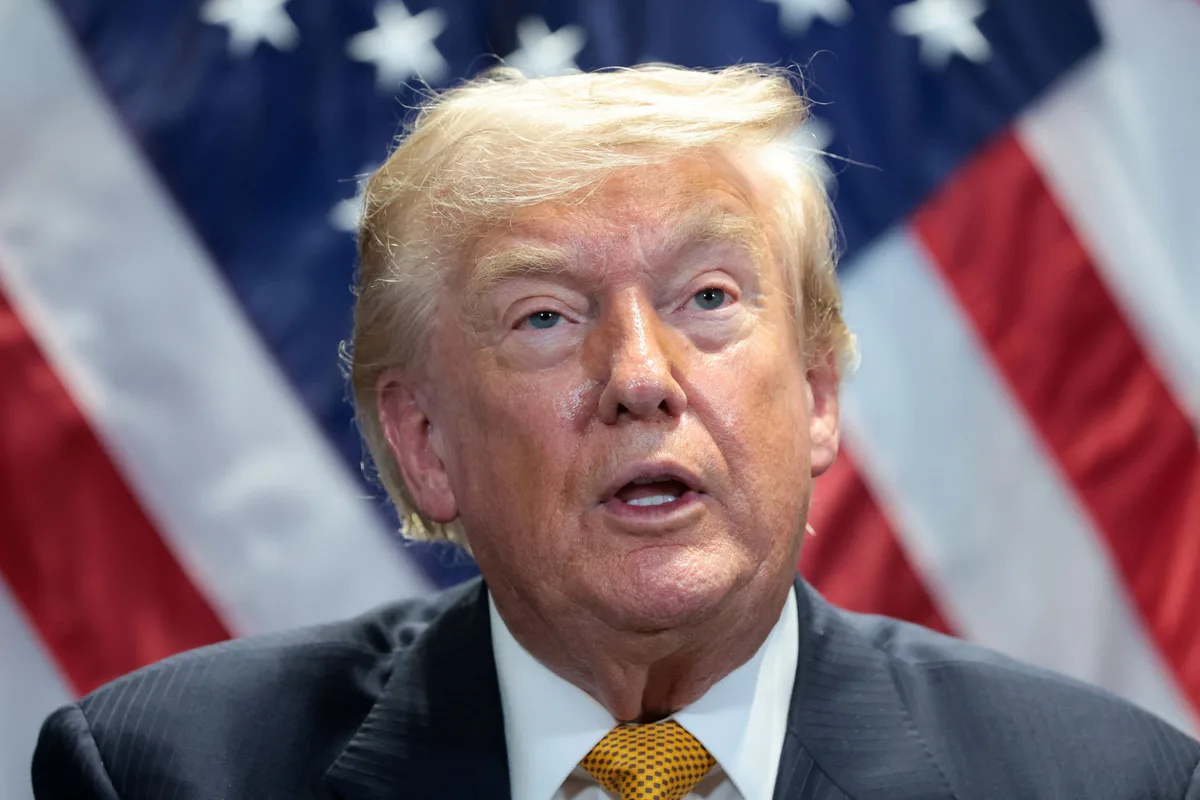
President Donald Trump has taken to describing himself as the number-one world leader on TikTok, a claim that carries at least one measurable layer of truth: he holds nearly 17 million followers on the platform, more than any other head of state or government. For a politician who came of age in broadcast television and tabloid media, the milestone reflects a striking adaptation to the short-form video era — and a deliberate strategy to maintain cultural relevance beyond traditional news cycles.
The significance of that follower count, however, deserves careful unpacking. Follower totals on any social platform are a proxy for reach, not necessarily influence or persuasion. Audiences on TikTok skew younger than those on Facebook or even X, meaning Trump's presence there represents a genuine attempt to penetrate demographics that have historically been less engaged with his political brand. Whether those followers translate into voters, donors, or simply passive consumers of political entertainment is a question the numbers alone cannot answer.
Read more Congress Moves to Close Crypto's Wash Sale Tax Loophole →
There is also a broader geopolitical irony worth noting. Trump's administration pushed aggressively to ban or force the sale of TikTok during his first term, citing national security concerns over its Chinese parent company, ByteDance. His current prominence on the very platform he once sought to dismantle underscores how quickly political calculations can shift when a tool proves electorally useful. The app's survival in the U.S. market — amid ongoing legislative and regulatory pressure — has given Trump a stage he now openly celebrates.
For media analysts, Trump's TikTok standing is less a vanity metric than a data point in a larger story about how political communication is fragmenting across platforms. Being 'number one' on TikTok signals that his team has invested meaningfully in content strategy for that ecosystem, even as rivals in both parties work to close the gap. In an attention economy, platform dominance — however it is measured — confers a form of soft power that campaigns increasingly cannot afford to ignore.
Continue reading at US Top News and Analysis