Trump's Financial Disclosure Reveals Crypto Millions and Expanded Empire
President Trump's latest annual filing is nearly four times longer than last year's, revealing crypto income in the hundreds of millions alongside stock and commemorative coins.
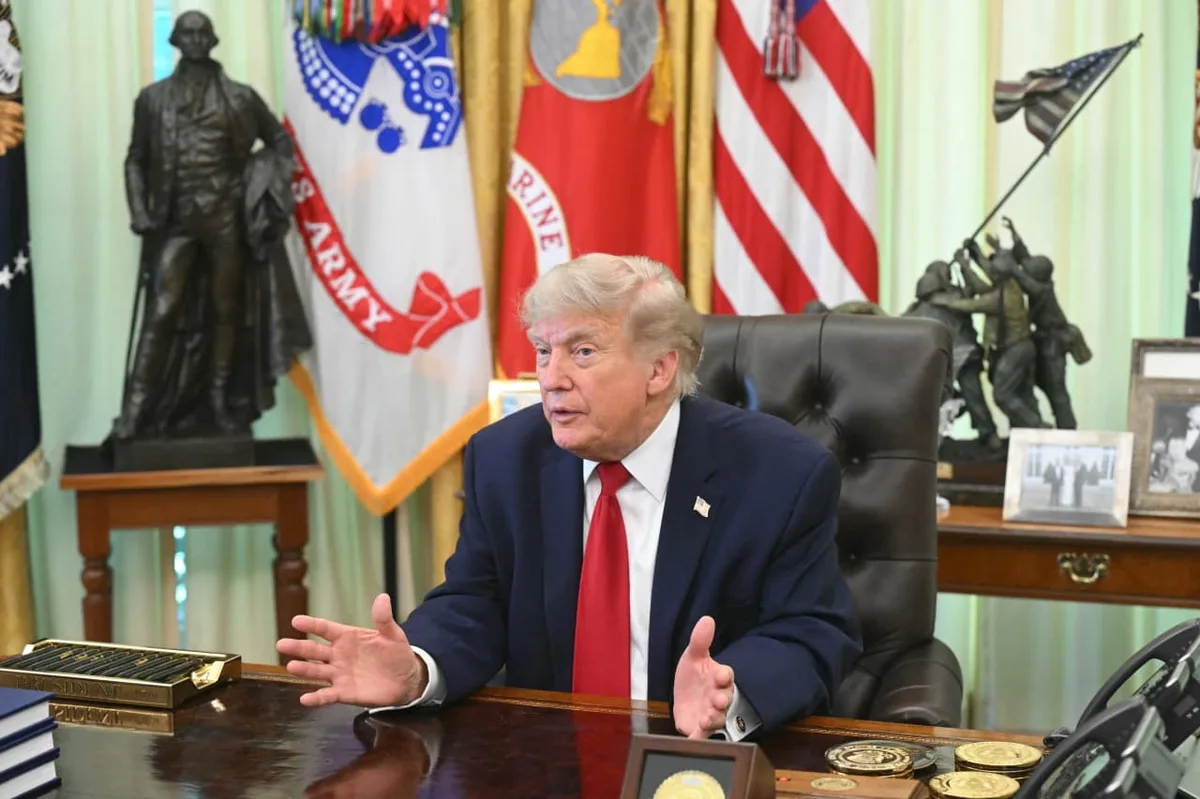
President Donald Trump's most recent annual financial disclosure paints a striking portrait of a presidency unlike any before it — one in which the sitting head of state holds a sprawling, actively expanding commercial empire that now spans digital assets, equities, and branded memorabilia. The filing runs nearly four times the length of his previous year's submission, a scale that itself signals significant new financial activity requiring disclosure.
Among the most notable revelations is crypto income running into the hundreds of millions of dollars, a figure that places Trump among the wealthiest known holders of digital assets in American political history. The disclosure also lists holdings in Apple stock, underscoring that the president maintains exposure to one of the world's most closely watched equities even while his administration's trade and tariff policies directly affect the company's supply chain and market valuation.
Read more Congress Moves to Close Crypto's Wash Sale Tax Loophole →
The filing additionally references so-called celebration coins — a category of branded collectibles that Trump has actively marketed to supporters. The inclusion of income from these items illustrates how the boundary between political fundraising culture and personal revenue generation has blurred in ways that existing ethics frameworks were never designed to address. Critics and watchdog groups have long raised concerns about whether such products create implicit conflicts of interest.
The sheer breadth of the disclosure raises substantive questions about financial entanglement at the highest levels of executive power. When a president's personal balance sheet is directly affected by cryptocurrency regulation, tech-sector trade policy, and consumer brand licensing, the traditional assumption that a chief executive can credibly separate personal interest from public duty becomes harder to sustain. Whether Congress or ethics agencies will treat the filing as a prompt for deeper scrutiny remains to be seen.
Continue reading at MarketWatch.com