Trump's Foreign Real-Estate Licensing Income Nearly Doubled in Latest Filing
New disclosures show Trump's overseas licensing revenue surged, now including deals in Qatar and Romania, raising fresh ethics alarms.
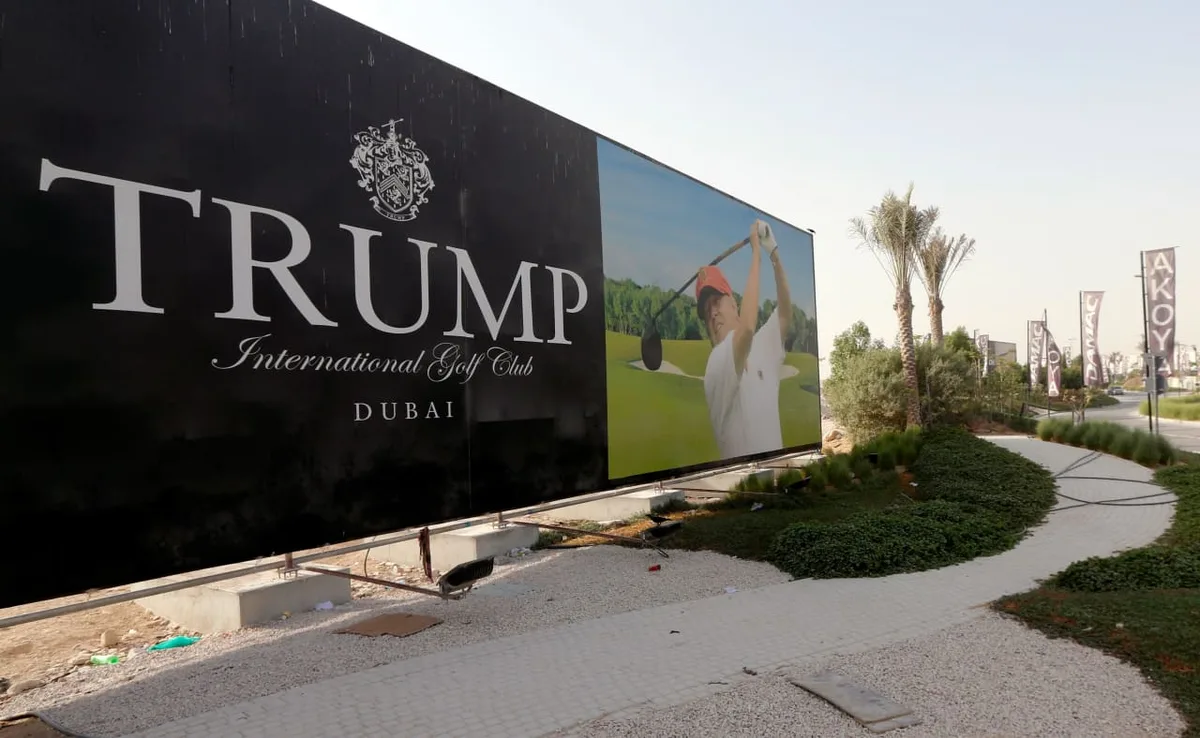
President Donald Trump's income from real-estate licensing arrangements in foreign countries has nearly doubled according to his most recent financial disclosure, with the portfolio now expanding to include new deals in Qatar and Romania — two nations with significant geopolitical weight in U.S. foreign policy discussions.
The disclosure adds concrete detail to long-running concerns about how a sitting president's private business interests can intersect with the conduct of diplomacy. Qatar, a key U.S. military ally in the Middle East and home to a major American air base, and Romania, a NATO member on the eastern flank increasingly important to European security, are not peripheral actors on the world stage. Licensing income flowing from those countries to the president's personal portfolio invites legitimate scrutiny about potential conflicts of interest.
Read more Congress Moves to Close Crypto's Wash Sale Tax Loophole →
At least one prominent ethics watchdog organization has expressed what it described as "grave concerns about the president doing business in foreign countries," a formulation that signals the issue extends beyond partisan criticism into the domain of structural government accountability. Licensing arrangements — where a brand name is leased to a developer rather than direct ownership being held — have historically been used to argue that such income is arm's-length and therefore less problematic, but critics contend the financial relationship still creates a meaningful tie between Trump's personal wealth and foreign actors.
The near-doubling of this revenue stream is notable not just for its scale but for its trajectory. If overseas licensing income continues to grow during Trump's second term, the ethical architecture surrounding presidential financial disclosure — already tested during his first term — will face renewed and arguably more complex pressure. Congress has limited tools to compel divestiture, and existing disclosure rules were designed primarily to reveal conflicts, not to resolve them.
The broader pattern raises a question that ethics experts and lawmakers will likely revisit with fresh urgency: whether current laws are adequate to govern a president who maintains an active, expanding global commercial footprint while simultaneously shaping U.S. foreign policy. Continue reading at MarketWatch.com