Trump Visits Turkey Amid NATO Tensions Over Russia and Iran
Trump's Turkey arrival comes as alliance strains deepen over Russian attacks and U.S. frustration with NATO partners on Iran.
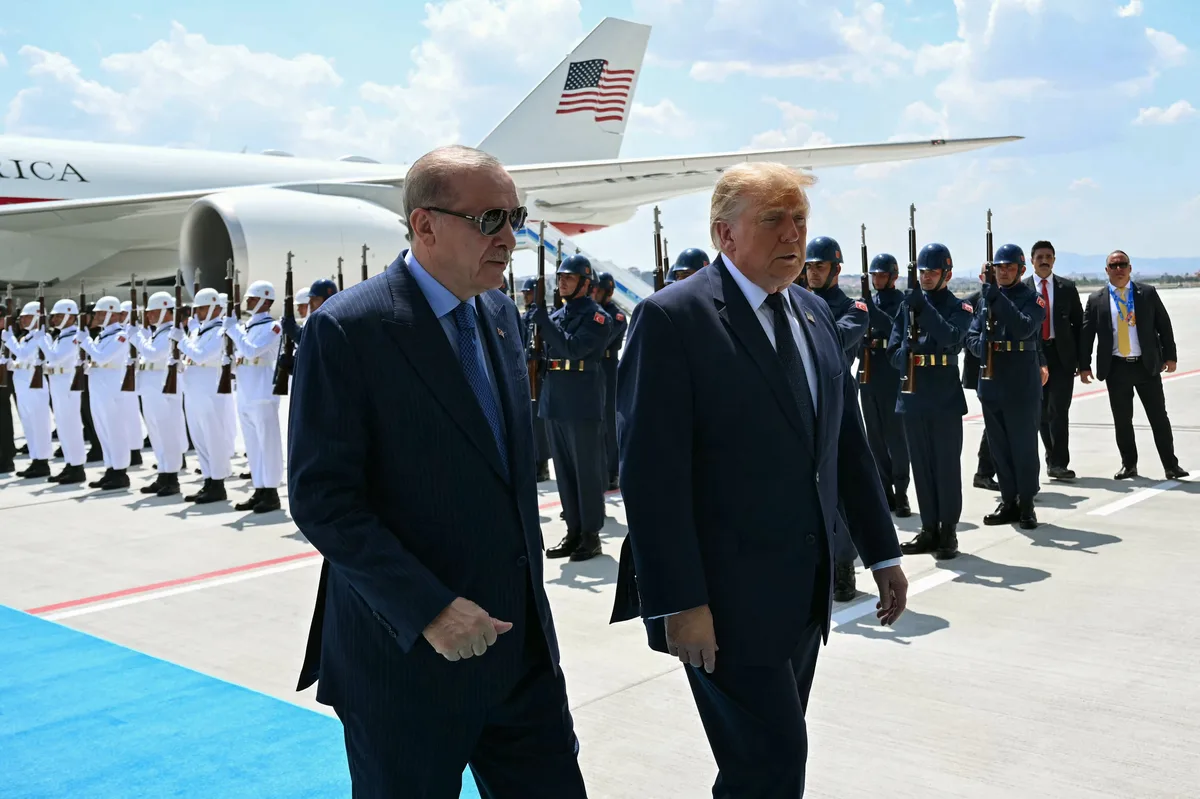
President Donald Trump's arrival in Turkey has thrown a spotlight on deepening fractures within NATO, as the alliance simultaneously navigates Russian military aggression and a growing rift between Washington and its European partners over the conflict with Iran. The visit comes at a moment when the transatlantic alliance faces some of its most complex stress tests in decades, with member states struggling to align on both threat assessment and burden-sharing.
Central to American frustration is what U.S. officials describe as NATO allies' unwillingness to support Washington's push to clear the Strait of Hormuz during its military campaign against Iran. Trump reportedly vented repeatedly about that reluctance, viewing it as a fundamental test of alliance solidarity that European partners failed. The Strait of Hormuz is one of the world's most critical chokepoints for global oil shipments, making the standoff strategically significant well beyond the immediate military context.
Read more Congress Moves to Close Crypto's Wash Sale Tax Loophole →
The episode crystallizes a tension that has shadowed NATO for years: whether the alliance's collective defense obligations extend meaningfully into theaters and conflicts that European members do not consider their own. From Washington's perspective, consistent allied non-participation risks hollowing out the practical meaning of mutual defense commitments. From Europe's vantage point, being pulled into conflicts perceived as unilateral American ventures raises sovereignty and escalation concerns that are difficult to dismiss.
Turkey itself occupies a uniquely complicated position in this drama. As a NATO member that has historically maintained working relationships with both Russia and Iran, Ankara has often served as a diplomatic pressure valve — a role that makes it both a valuable interlocutor and a source of alliance frustration. Trump's choice of Turkey as a destination signals that backchannels and bilateral leverage may matter more to this administration than collective NATO deliberation.
The broader question hanging over the visit is whether U.S. impatience with alliance dynamics will accelerate a more transactional American approach to NATO — one in which bilateral deals and conditional support replace the post-war presumption of unconditional collective defense. Continue reading at US Top News and Analysis.