U.S. and Iran Exchange Missile Strikes in Strait of Hormuz Standoff
Washington and Tehran traded missile and drone strikes as a dangerous dispute over Strait of Hormuz control escalated into direct military exchanges.
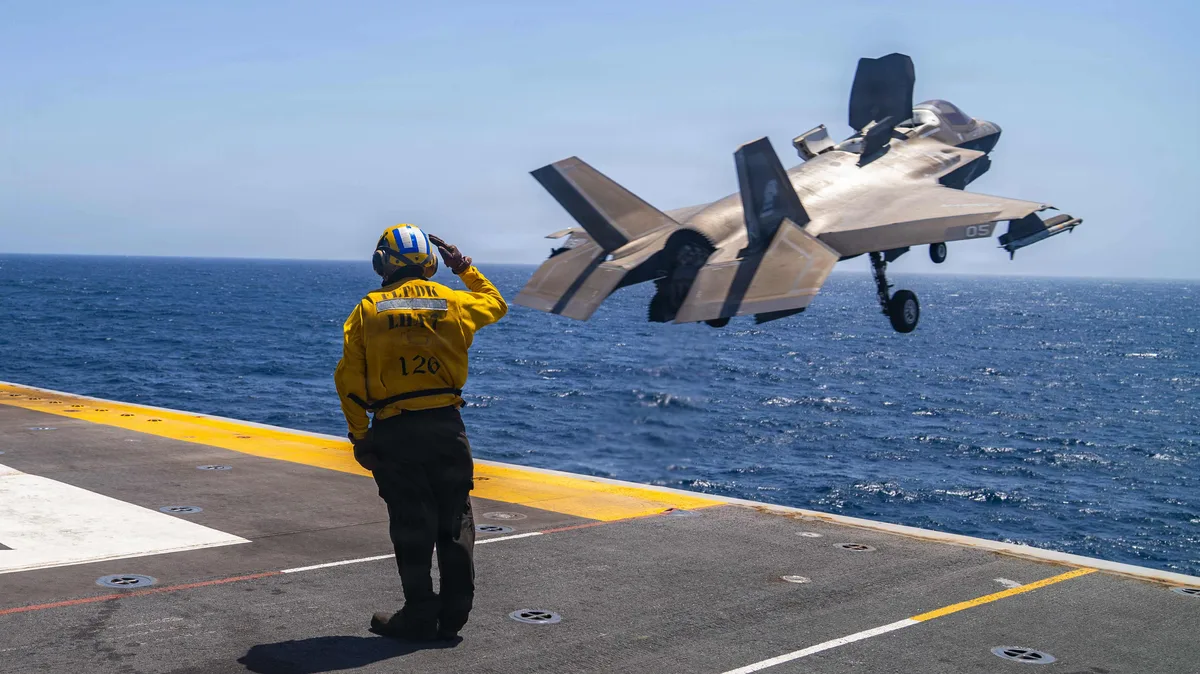
The United States and Iran have entered a perilous new phase of direct confrontation, exchanging barrages of missiles and drones in a standoff centered on the Strait of Hormuz — one of the world's most strategically critical waterways. The exchange marks a sharp escalation from the proxy tensions and rhetorical brinkmanship that have historically characterized the two nations' hostilities, raising urgent questions about the stability of global energy markets and regional security architecture.
The Strait of Hormuz carries roughly a fifth of the world's oil supply, making it a pressure point of extraordinary geopolitical weight. Any sustained military activity in or near that corridor threatens to disrupt tanker traffic, send energy prices surging, and draw in allied and regional powers who have significant economic stakes in the passage remaining open. The fact that both sides are now trading direct strikes — not merely threatening them — signals a meaningful threshold has been crossed.
Read more Congress Moves to Close Crypto's Wash Sale Tax Loophole →
Conflicting claims from Washington and Tehran over the strait's status suggest the two governments hold incompatible positions on the fundamental question of who exercises authority over the waterway. That kind of dispute, rooted in rival legal and strategic interpretations rather than a single triggerable incident, is notoriously difficult to de-escalate through conventional diplomatic channels alone. It also makes the fog of war considerably thicker, as each side frames its own strikes as defensive responses to the other's aggression.
Analysts will be watching closely for signals from both capitals about whether back-channel communications are open, whether allied governments — particularly Gulf states and European partners — are pressing for restraint, and whether the pace of exchanges intensifies or subsides in the coming hours and days. The situation remains fluid and volatile, with the potential to reshape both Middle East security alignments and global commodity markets depending on how quickly, or whether, a ceasefire or diplomatic off-ramp can be established.
Continue reading at US Top News and Analysis.