U.S. and UK Seek to Harmonize Tokenized Finance Rules
Washington and London are coordinating regulatory frameworks for tokenized assets, a move that could reshape global financial markets.
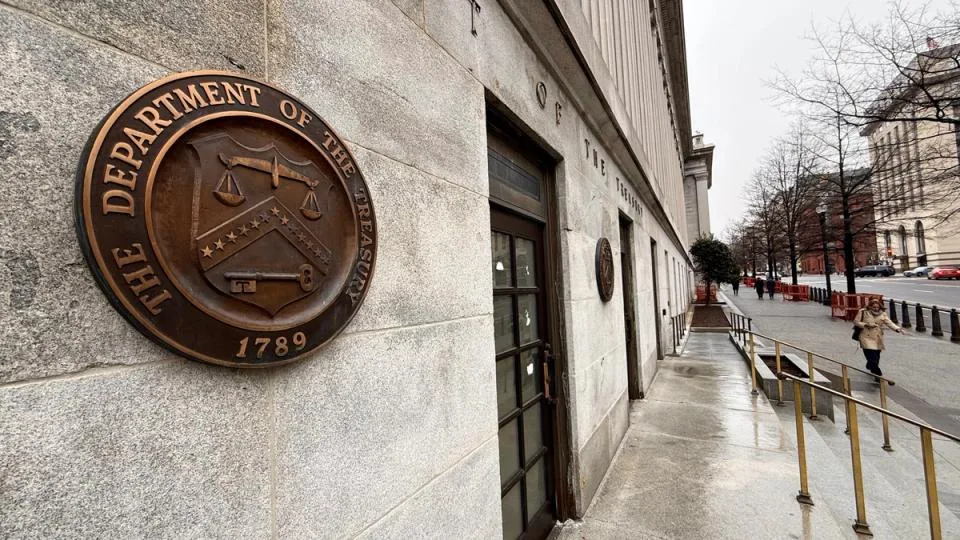
The United States and United Kingdom are taking steps to align their regulatory approaches to tokenized finance, a development that carries significant implications for how digital representations of traditional assets — from bonds to equities — are issued, traded, and settled across the world's two most influential financial centers.
The push for regulatory harmonization reflects a broader recognition among policymakers that fragmented rules across jurisdictions create friction, compliance burdens, and arbitrage opportunities that can undermine market integrity. When the U.S. and UK move in concert, other major economies often feel pressure to follow, giving any joint framework an outsized influence on the emerging global architecture for digital assets.
Read more Congress Moves to Close Crypto's Wash Sale Tax Loophole →
Tokenized finance, which involves recording ownership of real-world assets on distributed ledgers, has attracted growing institutional interest as a way to improve settlement efficiency, expand market access, and reduce counterparty risk. However, the sector has long suffered from regulatory uncertainty, with firms uncertain whether existing securities laws apply, how custody rules translate to on-chain environments, and which disclosures are required across borders.
A coordinated U.S.-UK stance could accelerate institutional adoption by providing the legal clarity that large banks, asset managers, and market infrastructure providers have been waiting for before committing significant capital and operational resources to tokenized markets. It also signals that both governments view tokenization not as a speculative fringe phenomenon but as a structural evolution of mainstream finance worthy of serious regulatory architecture.
The long-term stakes are considerable: if Washington and London succeed in building a common framework, they may effectively set the de facto global standard for tokenized finance, much as their earlier cooperation on anti-money-laundering and capital adequacy rules shaped international norms for traditional banking. Continue reading at CoinDesk.