U.S.-Iran Tensions Simmer as Ceasefire Holds but Threats Persist
A pause in direct U.S.-Iran exchanges hasn't eased broader anxieties, with tanker security and regional stability still hanging in the balance.
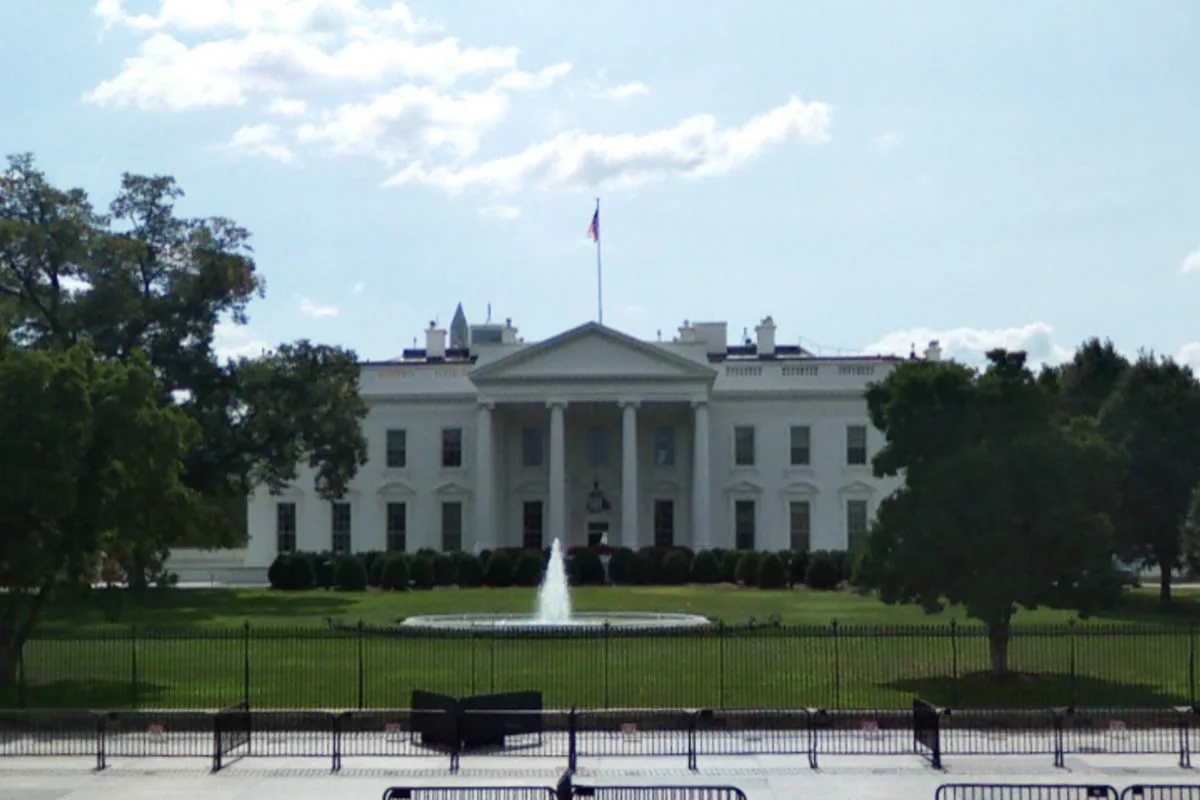
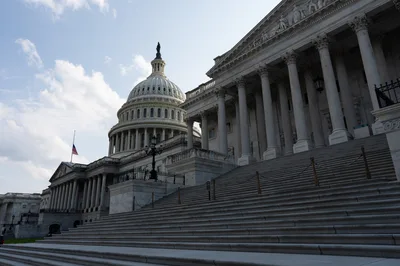
Washington finds itself in an uneasy holding pattern as a fragile halt in direct military exchanges between the United States and Iran fails to dissolve the underlying tensions that have kept policymakers on alert. The pause, while welcome, has done little to quiet alarm bells in the capital, where officials remain acutely aware of how quickly the situation could escalate.
Among the most immediate concerns is the continued threat to commercial shipping in strategically vital waterways. Tanker security has long served as a barometer of U.S.-Iran friction, and the persistence of those threats signals that any ceasefire-like dynamic is tactical rather than structural. Energy markets and global supply chains remain exposed to disruption so long as the maritime dimension of the conflict remains unresolved.
Read more Congress Moves to Close Crypto's Wash Sale Tax Loophole →
The broader geopolitical calculus is equally unsettled. Even when direct fire between the two governments pauses, proxy dynamics and the posture of Iran-aligned forces in the region keep the pressure elevated. For Washington, calibrating a response that deters further aggression without triggering a wider confrontation is a delicate diplomatic and military exercise with significant consequences either way.
Analysts watching the situation note that moments of pause in U.S.-Iran cycles of confrontation have historically preceded either a diplomatic opening or a sharper escalation — rarely a stable plateau. That ambiguity is precisely what is keeping decision-makers in Washington on edge, as each side assesses the other's resolve and appetite for further risk.
Continue reading at hoodline (beth carter)