U.S. Strategic Oil Reserves Are Dangerously Low, Report Warns
The Strategic Petroleum Reserve faces critically depleted stockpiles and serious infrastructure failures, raising energy security concerns amid rising Middle East tensions.
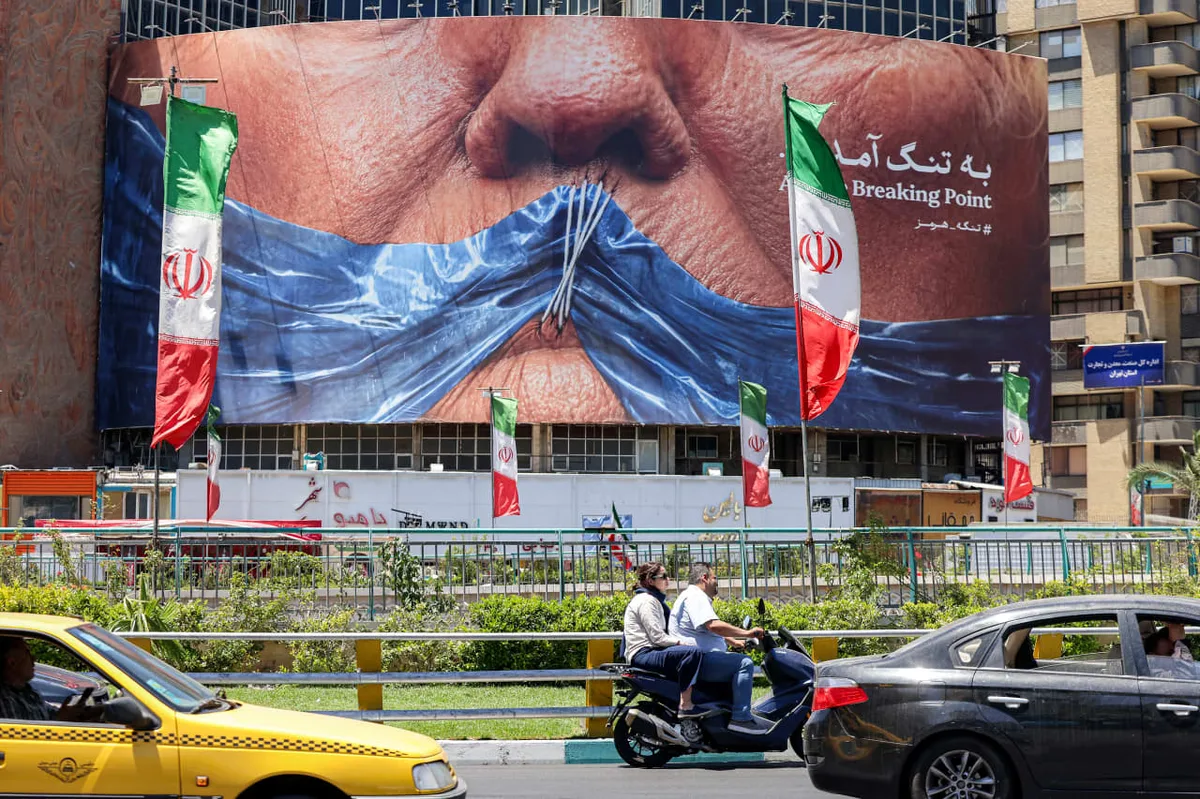
America's Strategic Petroleum Reserve — the emergency stockpile designed to buffer the nation against catastrophic supply disruptions — is in worse shape than most policymakers publicly acknowledge. A government report reveals that reserve levels are precariously low and that the underlying infrastructure has been compromised by significant equipment failures, leaks, and spills. The timing could hardly be more fraught, arriving as the Trump administration has signaled ambitions to exert U.S. control over the Strait of Hormuz, the narrow chokepoint through which roughly a fifth of the world's oil supply flows.
The SPR was established after the 1973 Arab oil embargo precisely to insulate the American economy from the kind of supply shocks that geopolitical brinksmanship routinely threatens to trigger. Its effectiveness, however, depends entirely on both adequate volume and operational readiness. A reserve riddled with aging equipment and environmental failures is not merely a logistical problem — it is a strategic vulnerability that adversaries and markets alike will eventually price in.
Read more Congress Moves to Close Crypto's Wash Sale Tax Loophole →
The convergence of a depleted reserve and an assertive U.S. posture in the Persian Gulf creates a paradox worth examining carefully. Projecting military and diplomatic force over critical shipping lanes may deter some threats, but it can equally provoke retaliatory pressure on the very supply chains the SPR exists to backstop. If tensions were to escalate and physical oil flows through the Strait were disrupted, Washington's ability to cushion the domestic economic blow would be materially constrained by the reserve's current condition.
Energy security analysts have long argued that the SPR's drawdowns during recent years — used to combat domestic inflation and to respond to international crises — left the stockpile without adequate time or political will to be replenished. Infrastructure decay compounds the volume problem, suggesting that even the oil that remains may not be fully accessible or deliverable at scale when it matters most. For an administration placing considerable rhetorical weight on energy dominance, restoring the reserve's credibility may be as strategically important as any diplomatic maneuver in the Gulf.
Continue reading at MarketWatch.com