US and Saudi Arabia Sign Civilian Nuclear Power Agreement
Washington and Riyadh formalize nuclear cooperation in a deal that must clear congressional review under longstanding US law.
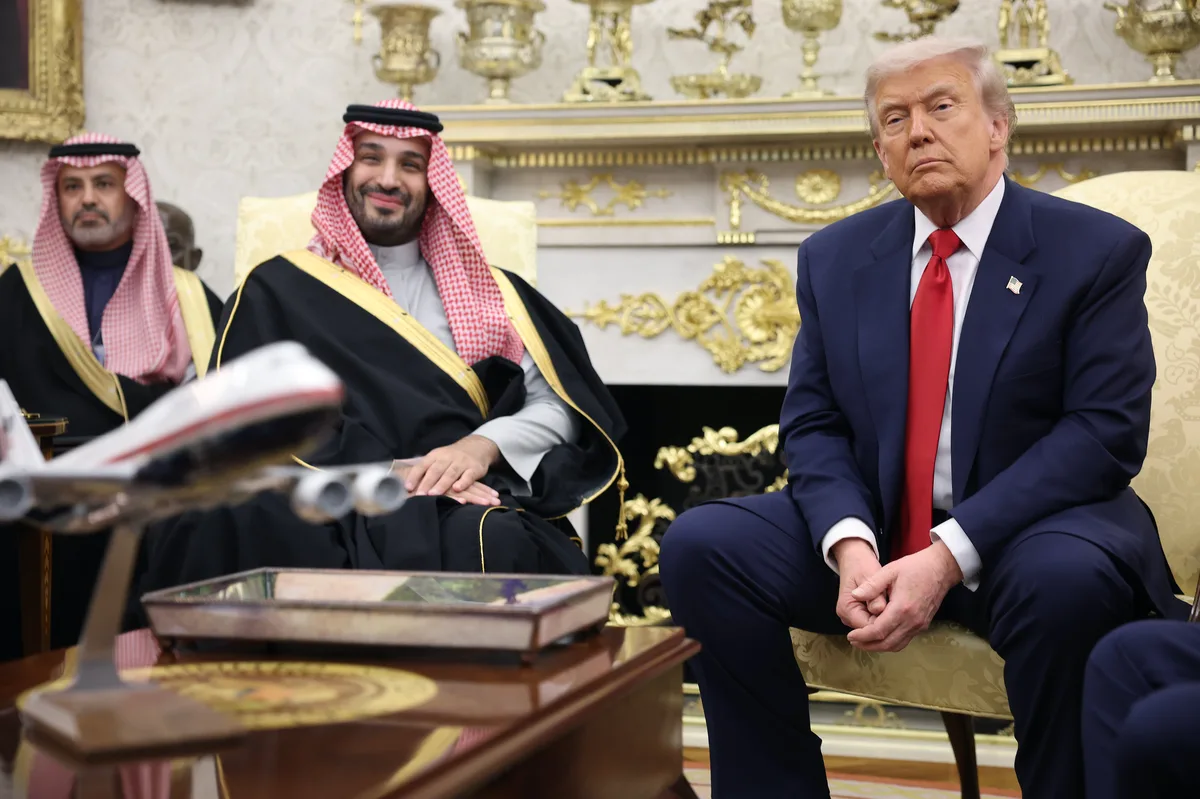
The United States has signed a nuclear power cooperation agreement with Saudi Arabia, marking a significant step in a bilateral relationship that increasingly extends beyond oil and security into the realm of advanced energy infrastructure. The deal reflects a broader American interest in shaping how Gulf nations develop civilian nuclear capacity rather than ceding that influence to competitors like Russia and China.
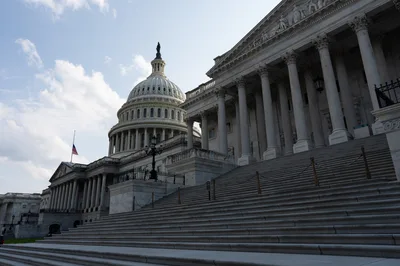
Under the Atomic Energy Act, any U.S. agreement to cooperate with a foreign country on civilian nuclear power is subject to congressional review — a legal safeguard designed to ensure that American nuclear technology and expertise are not transferred in ways that could contribute to weapons proliferation. This oversight mechanism means the Saudi deal is not yet final, and lawmakers will have the opportunity to scrutinize its terms before it takes effect.
Read more Congress Moves to Close Crypto's Wash Sale Tax Loophole →
The agreement arrives amid longstanding questions about Saudi Arabia's nuclear ambitions. Riyadh has been open about its desire to master uranium enrichment, a sensitive capability that sits at the intersection of civilian energy and weapons-grade material production. How the final terms of this accord address enrichment rights will likely become the central focus of congressional debate.
For the United States, the strategic calculus is straightforward: engaging Saudi Arabia on civilian nuclear development offers Washington leverage to set standards and safeguards, while potentially opening a large commercial market for American nuclear firms. Refusing to engage, by contrast, risks pushing Riyadh toward frameworks established by Moscow or Beijing, which carry fewer nonproliferation strings.
The agreement signals that nuclear energy is becoming a new arena of great-power competition in the Middle East, with the US seeking to anchor its allies within its own technological and regulatory orbit. Continue reading at US Top News and Analysis.