Why the Democratic Left May Turn on Kamala Harris
Progressive tensions within the Democratic Party could pose a serious challenge to Harris's political future, analyst W. James Antle III argues.
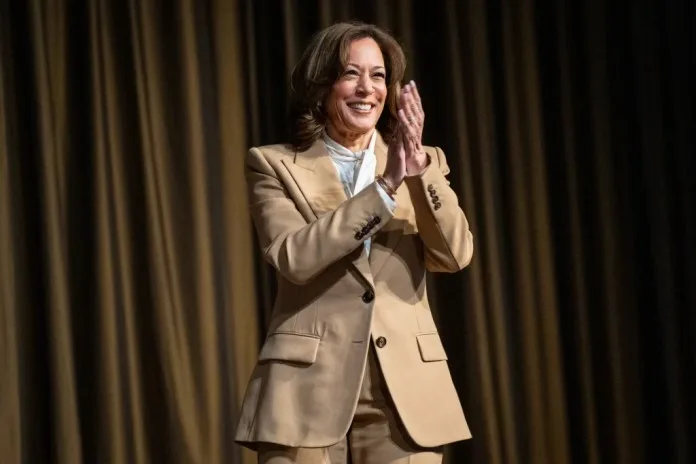
The question of whether Kamala Harris can hold together the Democratic coalition is becoming one of the more pressing tests in post-2024 American politics. The party's progressive wing, emboldened by years of grassroots organizing and increasingly impatient with centrist leadership, represents a structural tension that Harris — as the party's most recent standard-bearer — cannot easily sidestep.
The socialist or democratic-socialist current within the Democratic Party has grown more assertive in recent cycles, pushing candidates and officeholders toward positions on Medicare for All, student debt cancellation, and foreign policy restraint that sit uneasily with the more moderate brand Harris cultivated during her time as a senator and vice president. The argument, as framed by Washington Examiner columnist W. James Antle III, is that this ideological pressure may not spare Harris simply because she lost a presidential race.
Read more Congress Moves to Close Crypto's Wash Sale Tax Loophole →
In American politics, defeated presidential nominees tend to occupy an awkward limbo — influential enough to remain targets, yet weakened enough to become convenient scapegoats. Harris's positioning as a pragmatic centrist, which was meant to broaden her general-election appeal in 2024, may now make her a symbolic obstacle for activists who believe the party lost because it was not bold enough, rather than too far left.
The deeper analytical question is whether the Democratic Party is entering a realignment moment in which its ideological center of gravity shifts leftward under pressure from its activist base, or whether pragmatic institutionalists will reassert control ahead of future election cycles. Harris sits squarely at that fault line — not because of any single policy stance, but because she embodies the establishment path the party chose and, in the progressive telling, the one that came up short.
How Democratic leaders navigate internal ideological conflict in the next two to four years will shape not just Harris's relevance but the party's broader strategic identity. Continue reading at washingtonexaminer.